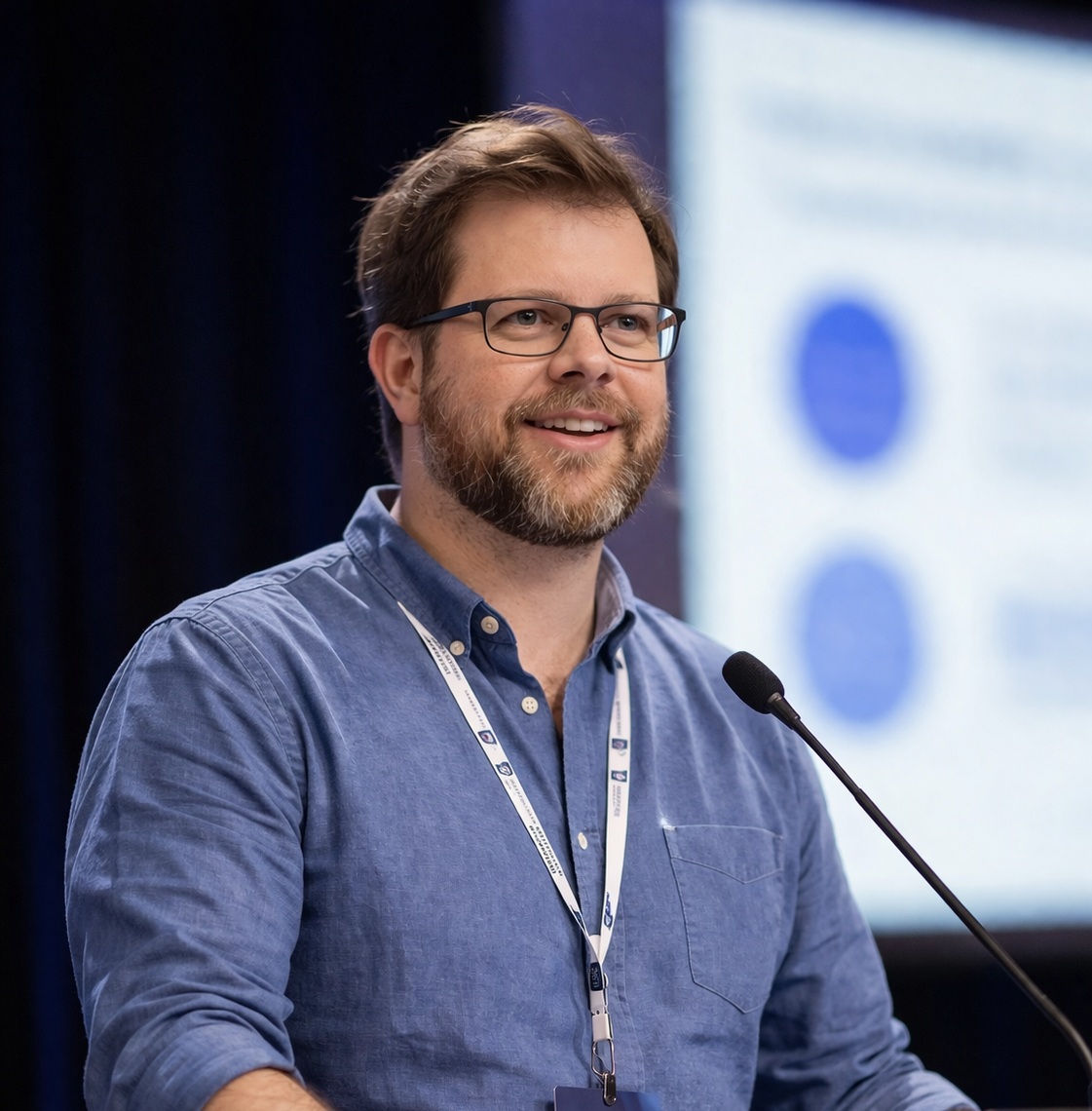
Peter Claridge, fractional
head of digital, London
Your website shouldn’t keep
becoming your problem.
Website design and changes, SEO, AI visibility, analytics, hosting, domains, email and the awkward digital jobs that are always on the to do list.
Websites, digital visibility and infrastructure. Most digital problems sit somewhere between the three.
Currently fractional head of digital for
B3 Designers
Posh Cockney
Savvy IQ
StreamAlive
What can I help you with?
A new website
Design and build a new WordPress or Shopify website.
Changes to your website
New pages, redesigns, landing pages, fixes and improvements.
Getting found online
SEO, Google visibility and increasingly AI search.
Analytics & tracking
Know where enquiries and customers are actually coming from.
Hosting, domains & email
The technical infrastructure your business depends on.
Something awkwardly technical
Integrations, APIs and digital problems that don’t have an obvious owner.
What that looks like in practice.
Sometimes that means rebuilding a website. Sometimes it means fixing tracking, sorting out hosting, improving search visibility or joining up systems that were never designed to work together.


B3 Designers
Hospitality interior design studio
The full job, across all three. The website, search visibility and analytics, the hosting and email underneath, and a set of internal apps that replaced tools they were paying for. If it plugs in, it’s mine.
Website · Visibility · Infrastructure · Internal apps
Savvy IQ
Restaurant group, London
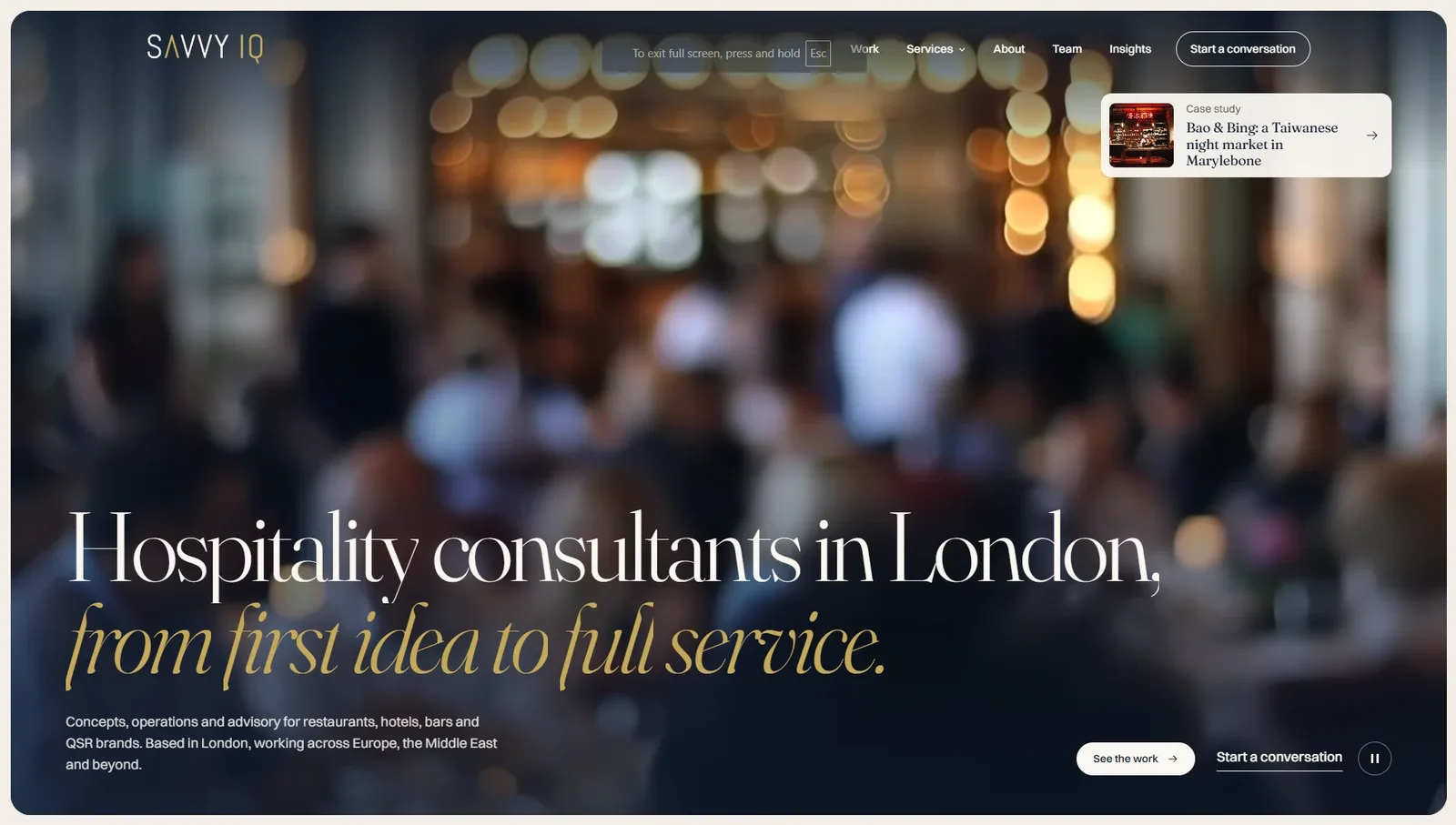
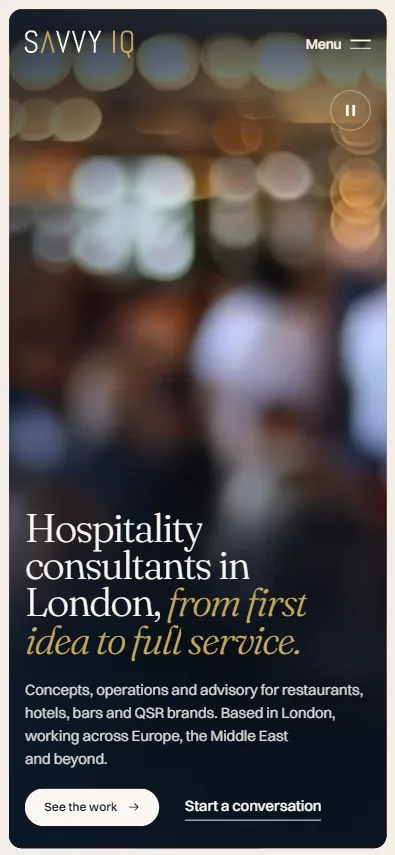
A new website, designed and built in WordPress. Then the systems that were never designed to talk to each other, joined up, including a guest review app running across their restaurants that feeds reviews back into the right places.
Website design and build · Systems · Review app
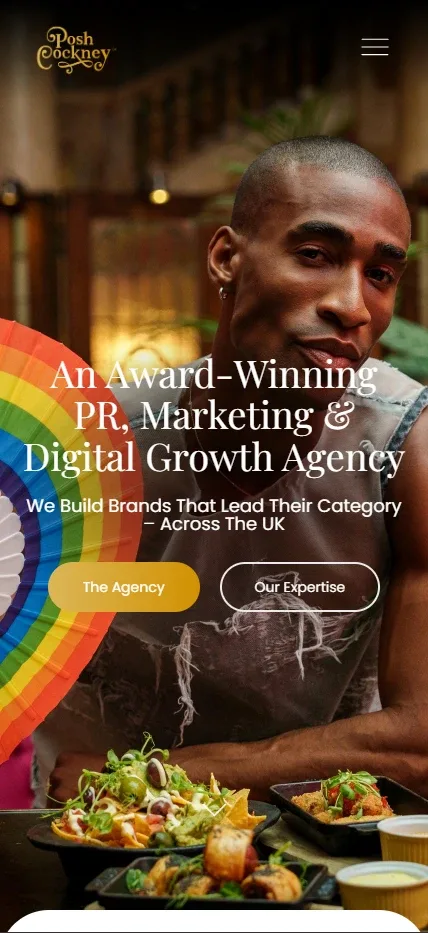
Posh Cockney
Events and hospitality
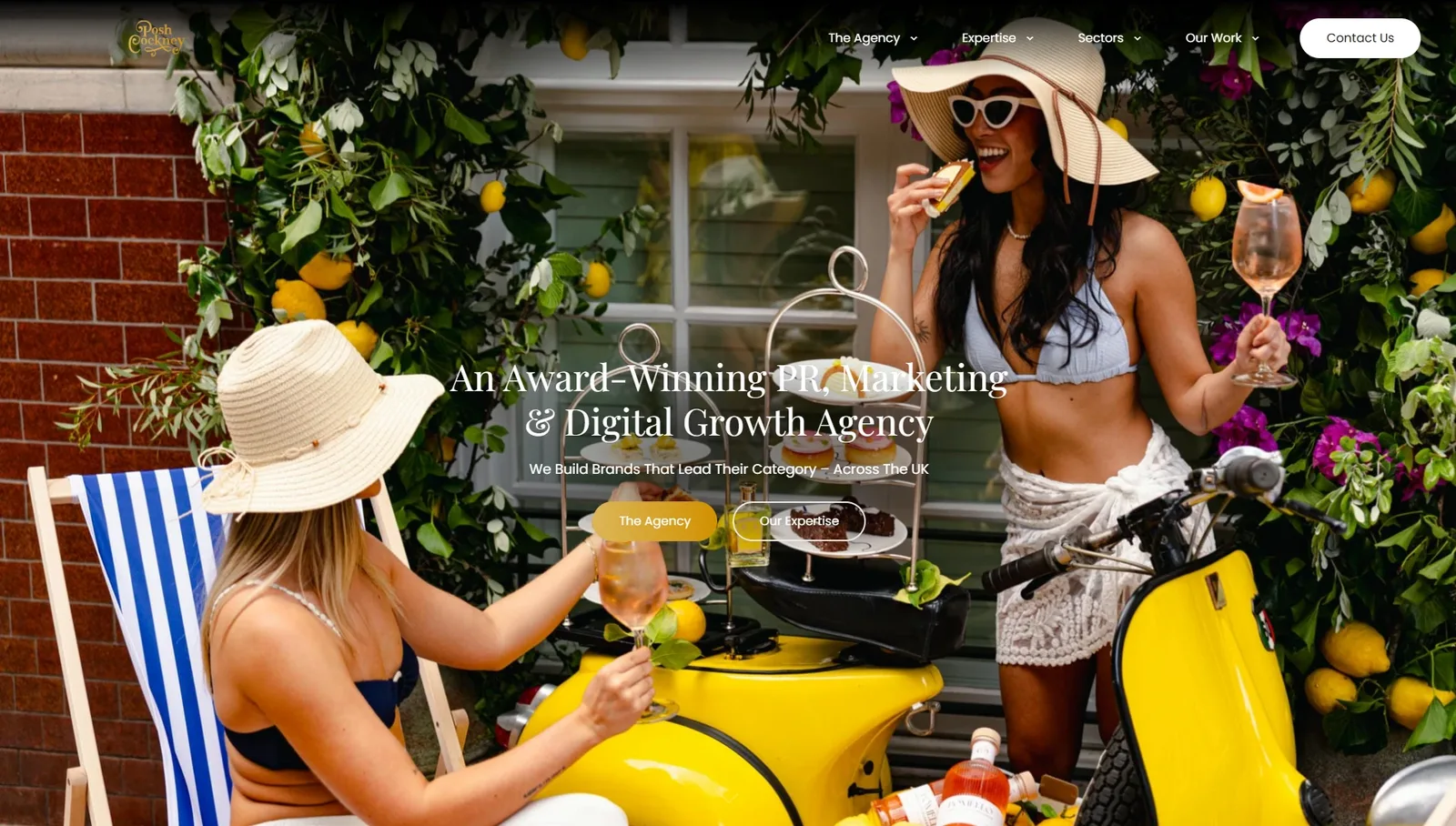
Website and visibility, joined up. The site kept current, campaigns landing on pages built for them, and tracking that reports numbers they can act on rather than admire.
Website · Visibility · Tracking
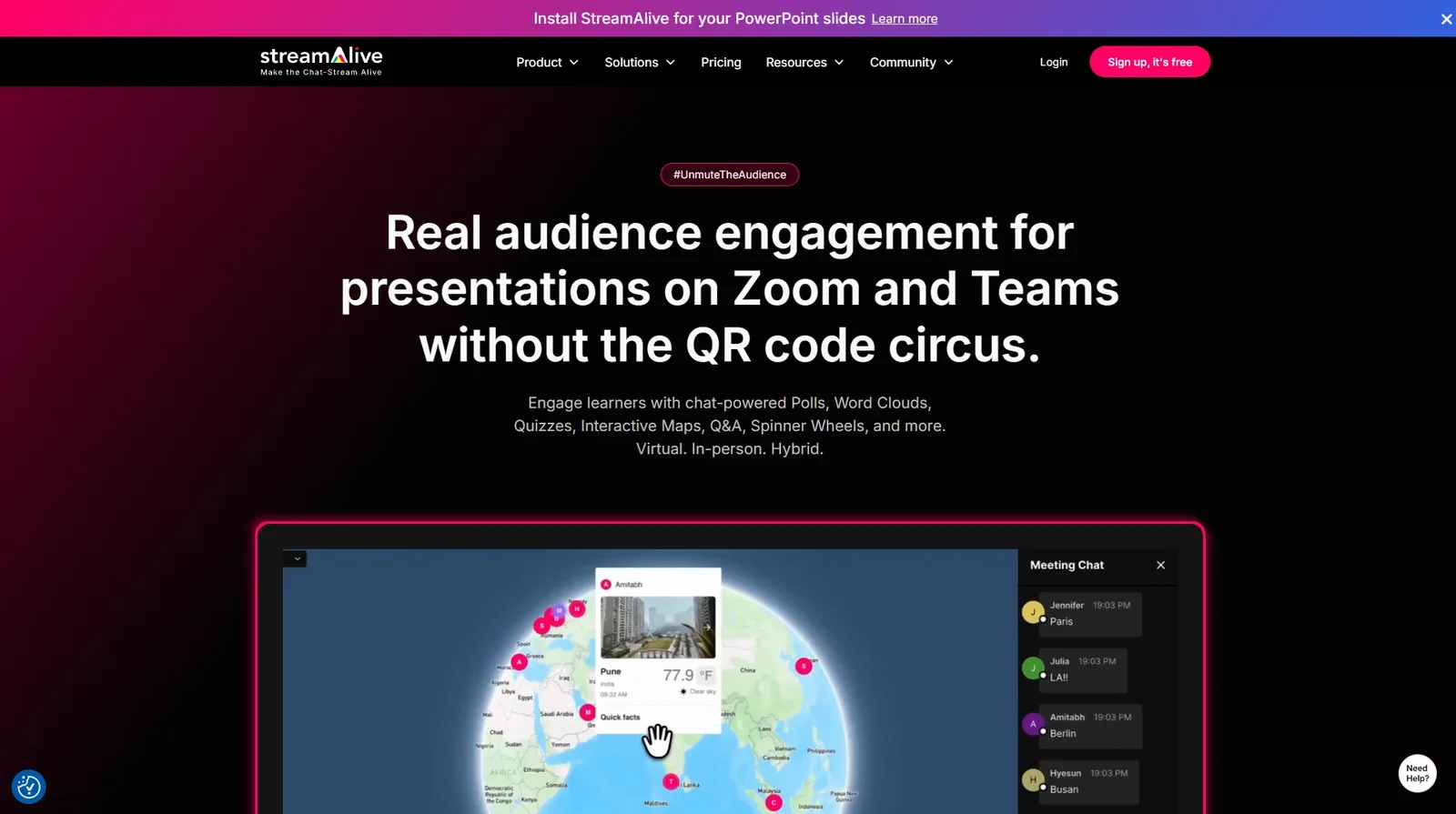
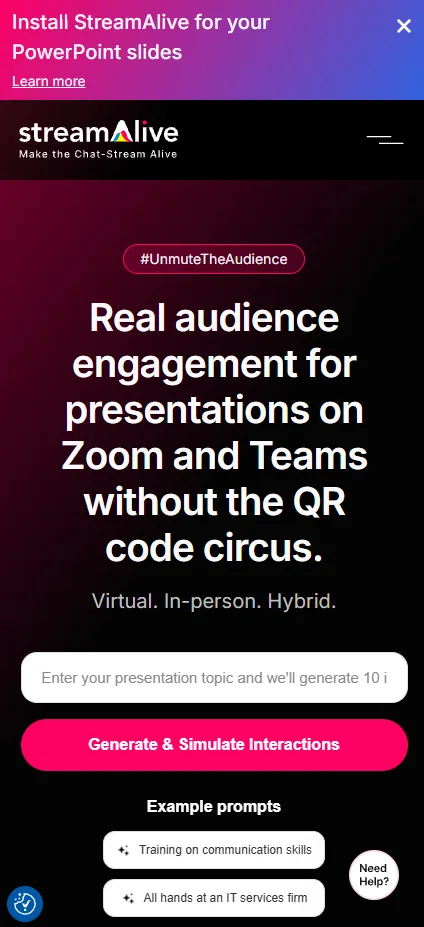
StreamAlive
Audience engagement software
Search and AI visibility on a startup budget. Quality traffic, number one Google results, and AI tools recommending them over their competitors.
Visibility · SEO · AI search

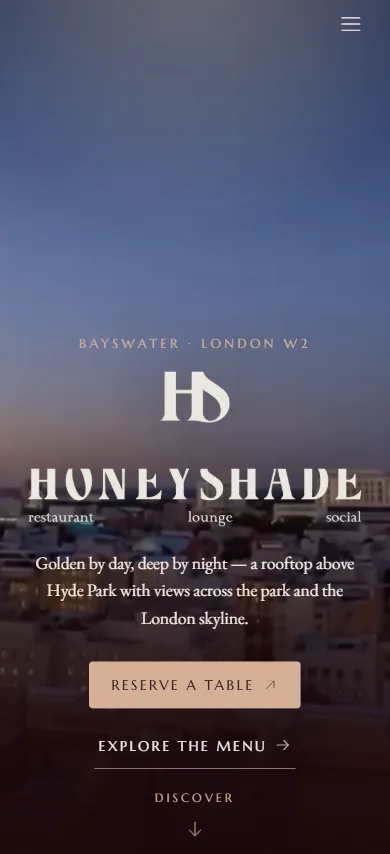
Honeyshade
Rooftop restaurant and lounge, Bayswater
A rooftop above Hyde Park, with video of the view and the menus and table bookings a tap away.
Website design and build · WordPress
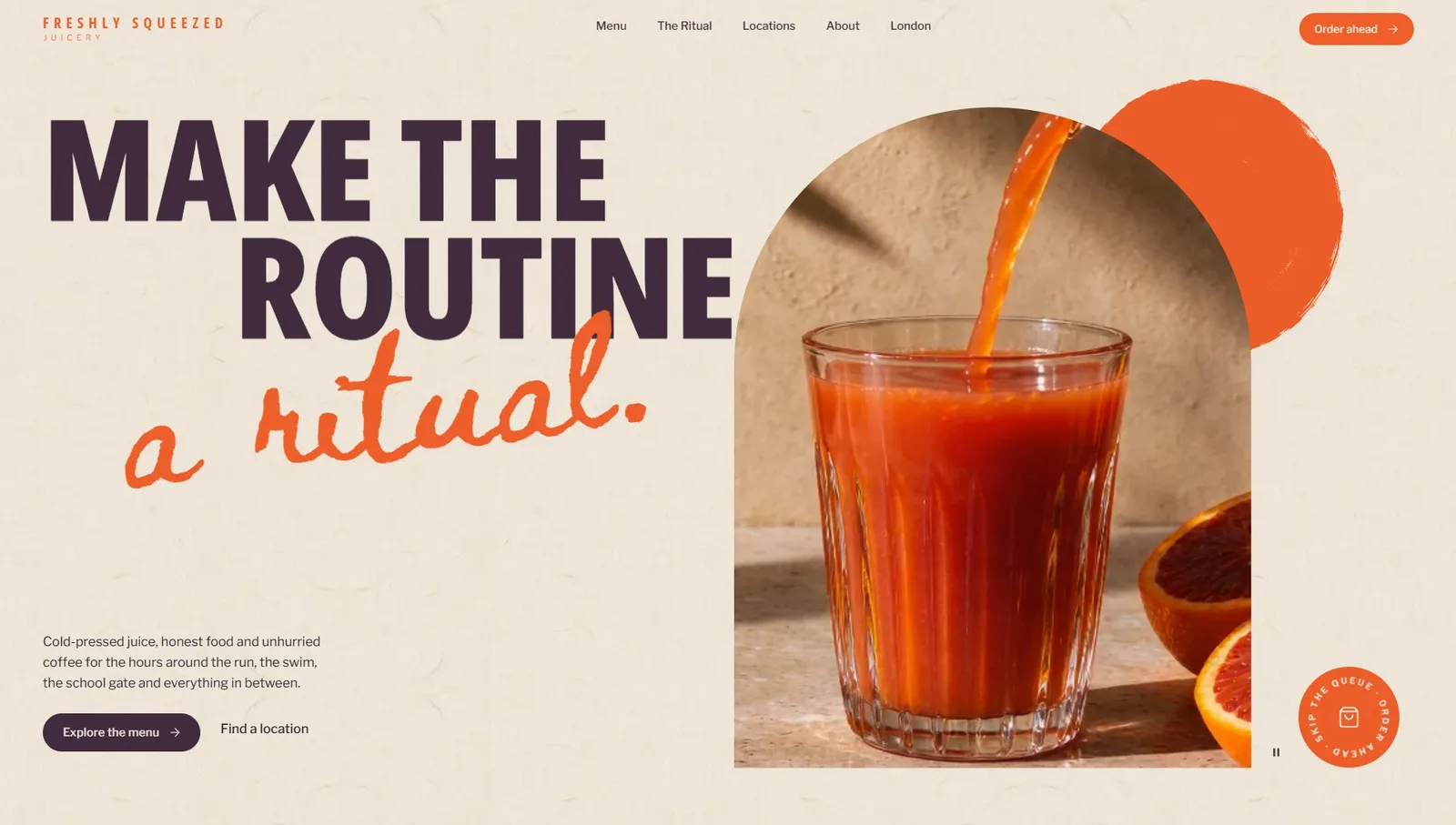

Freshly Squeezed
Juicery, London
Bright and hand-drawn, with the menu, locations and ordering ahead front and centre.
Website design and build · WordPress
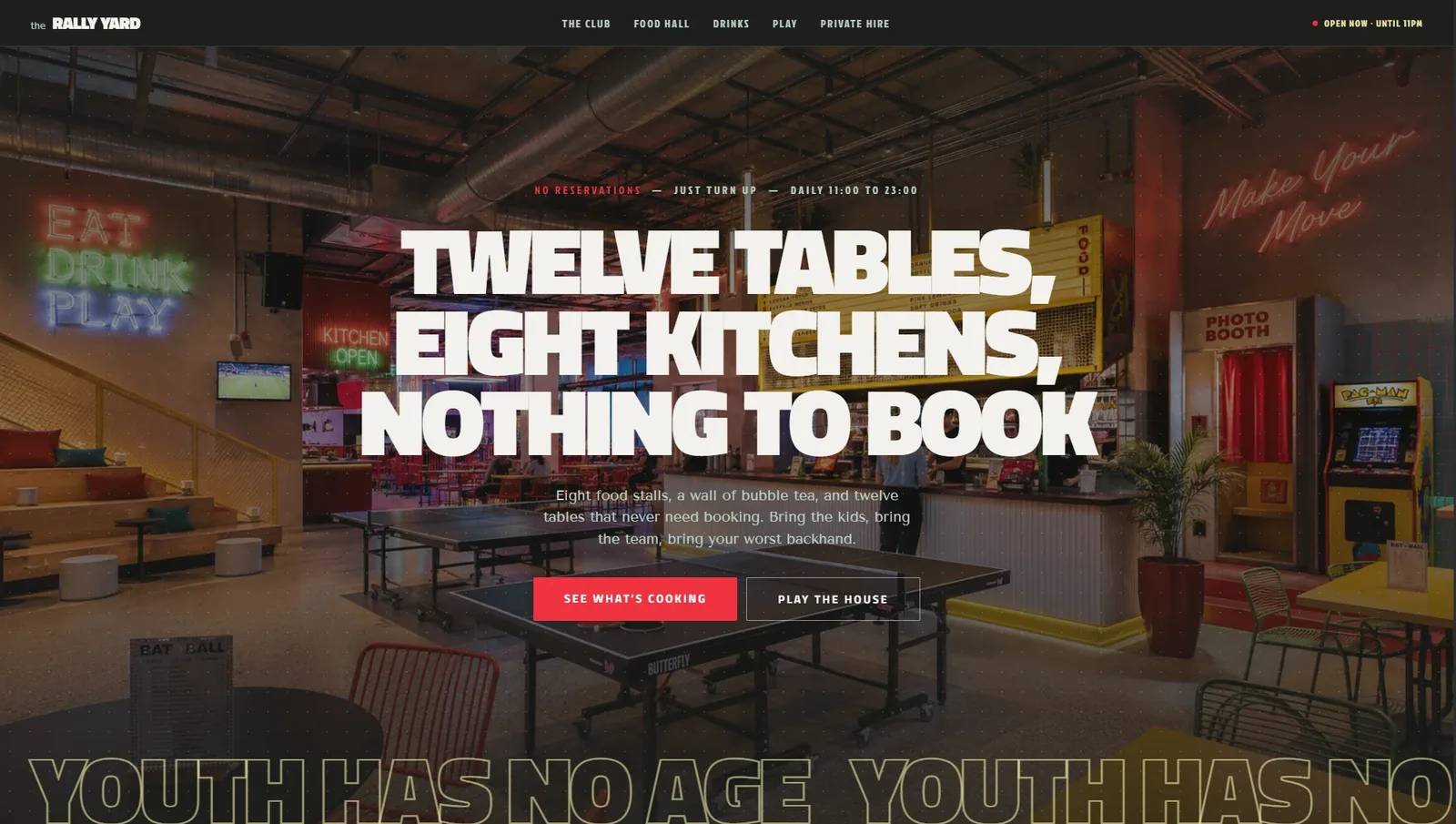
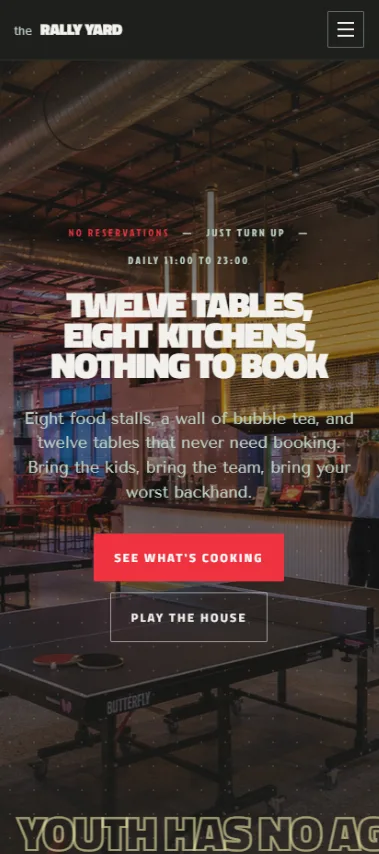
The Rally Yard
Food hall, bar and games, London
Loud on purpose. Eight kitchens, twelve tables and no booking form, because there’s nothing to book.
Website design and build · WordPress
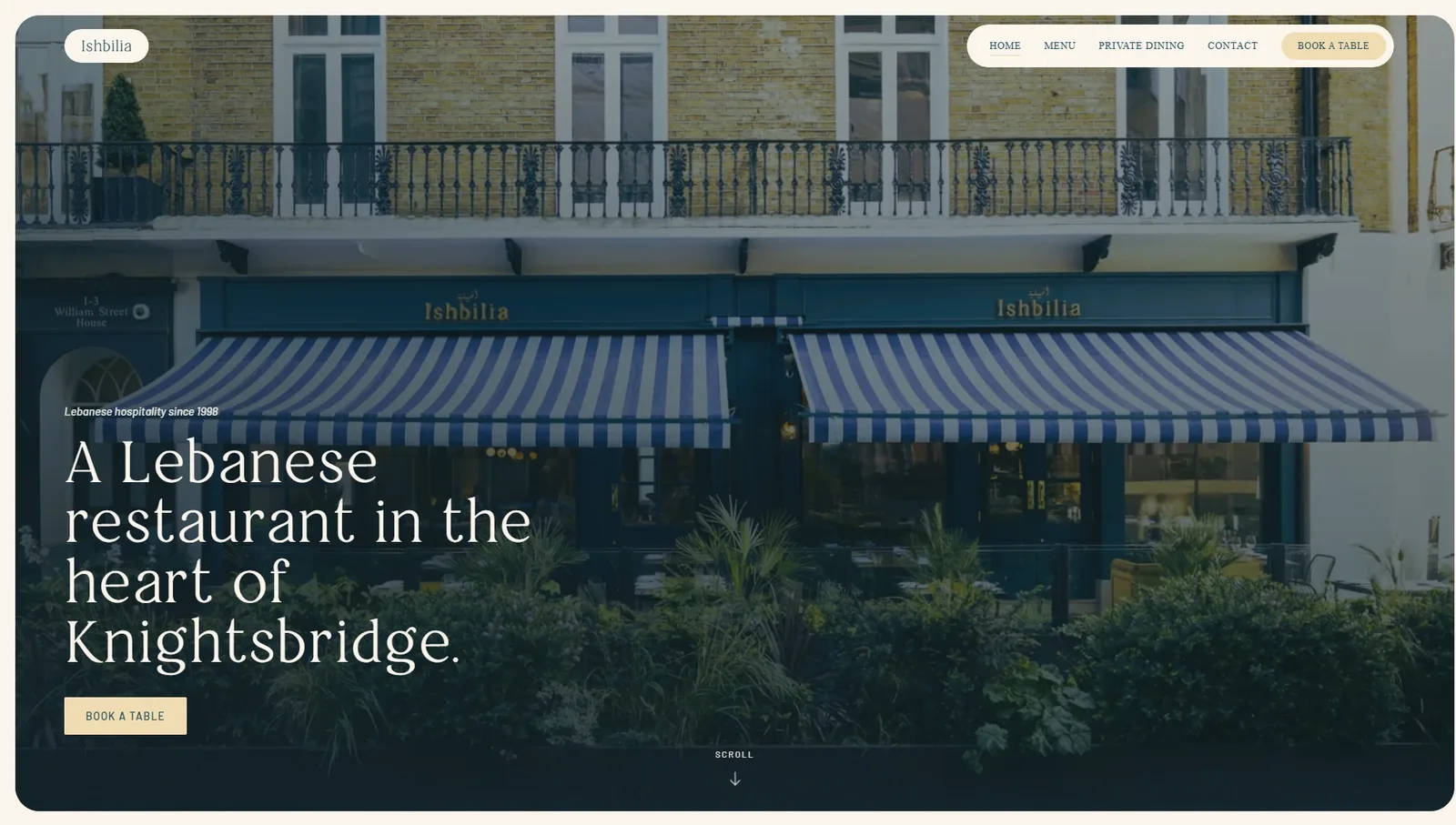
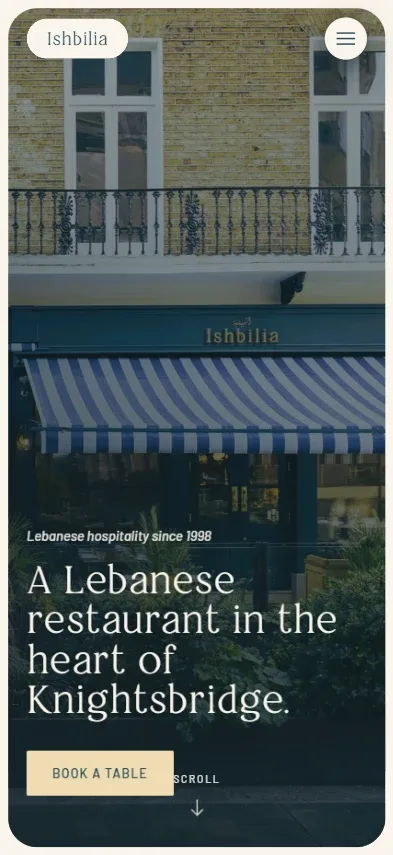
Ishbilia
Lebanese restaurant, Knightsbridge
A new site for a restaurant that’s been open since 1998, with menus, private dining and bookings.
Website design and build · WordPress
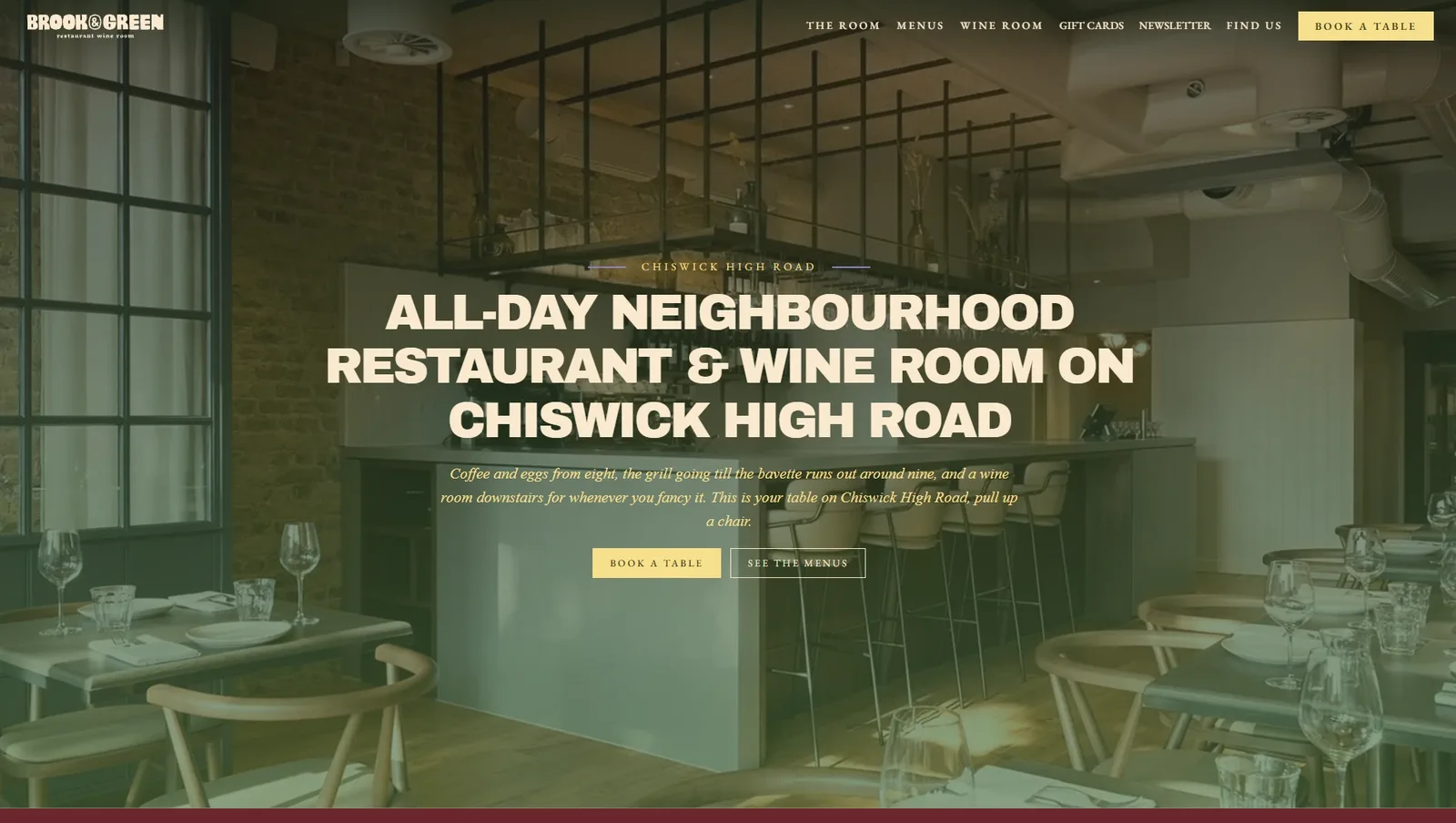
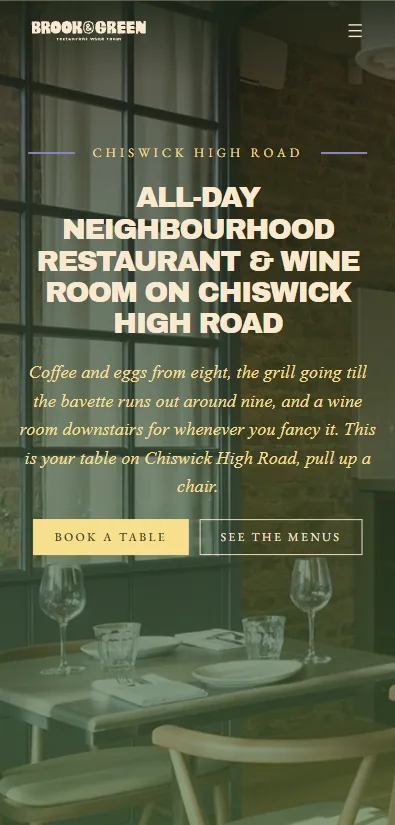
Brook & Green
Restaurant and wine room, Chiswick
An all-day neighbourhood restaurant: menus, the wine room downstairs, gift cards and bookings.
Website design and build · WordPress
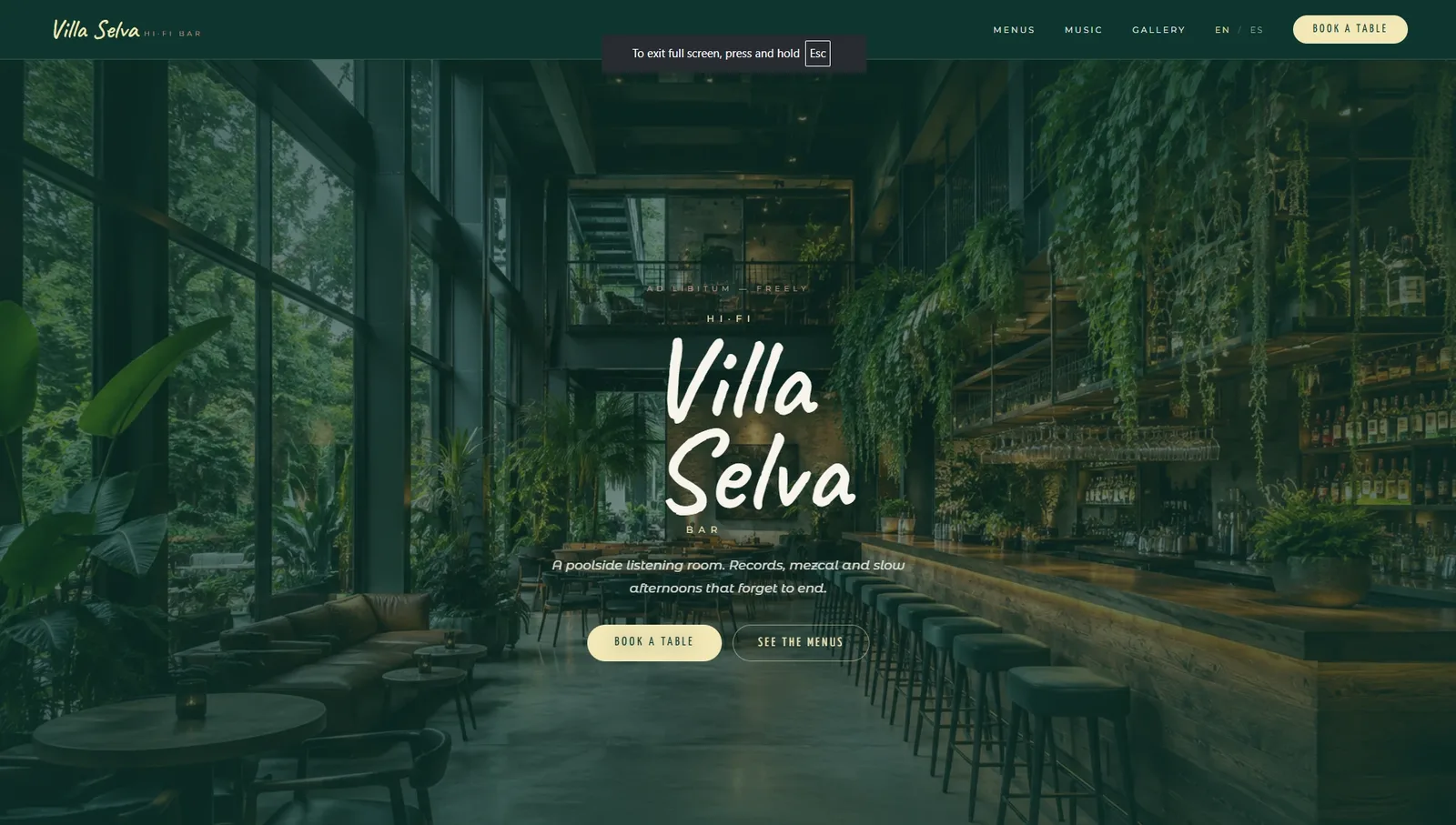
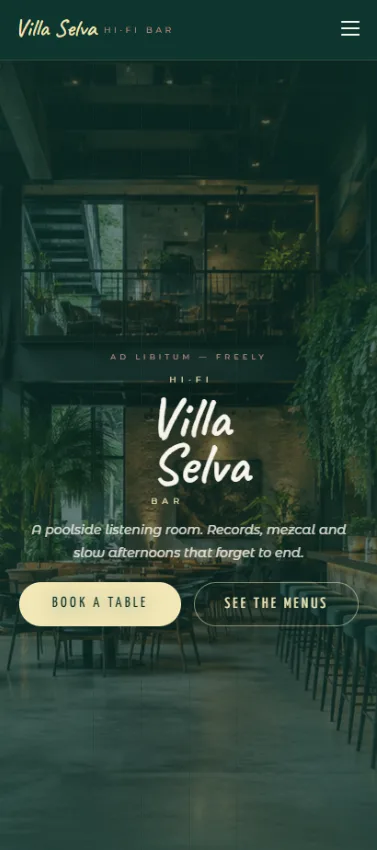
Villa Selva
Hi-fi bar
A poolside listening bar, in English and Spanish, with menus, music and bookings.
Website design and build · WordPress
I handle the digital jobs that keep landing on your desk.
Websites, search, analytics, domains, email and hosting rarely sit neatly in one job description.
I cover the gaps, taking responsibility for the digital work that otherwise gets passed around, put off or only noticed when something breaks.
Websites
Your website, properly looked after.
Updates, fixes, new pages, landing pages, performance improvements and the endless small jobs that are never big enough for an agency project but still need doing properly.
WordPress and Shopify, kept alive
Content and design updates, new pages and the ongoing maintenance most agencies quietly stop doing once the invoice clears.
Landing pages that convert
Pages built for a specific campaign or service, and the small conversion changes that turn more visitors into enquiries.
Fast and accessible
Performance and accessibility work, so the site loads quickly, works for everyone and doesn’t quietly cost you rankings.
Integrations and custom bits
Forms, CRMs, booking systems and APIs wired together. And when the thing you need doesn’t exist, I can usually build it.
Digital Visibility
Be found when people are looking.
Your website can be excellent and still be invisible. I look after the systems that help people discover you, understand what you do and find the right page when they need it.
Search and AI visibility
SEO and technical search issues fixed, plus AI search visibility, so you turn up in Google and in the answers people get from ChatGPT and the rest.
Your Google listings in order
Google Business Profile and Search Console claimed, set up and checked, so the basics Google relies on are actually right.
Numbers you can act on
Analytics and conversion tracking set up properly, reporting enquiries and revenue rather than traffic you can’t spend.
Paid search where it makes sense
Less ‘do more marketing’, more making sure the demand that already exists can find you. Google Ads only when there’s a sensible page for the click to land on.
Digital Infrastructure
The plumbing nobody owns until it breaks.
Hosting, domains, DNS, email, Cloudflare, SSL, backups and the systems sitting behind your website. The things most people ignore until something stops working.
Domains, DNS and hosting
Hosting and servers managed, domains and DNS owned by you, documented, and not held hostage by a supplier you stopped working with years ago.
Business email that lands
Google Workspace, Microsoft 365 or Zoho, with SPF, DKIM and DMARC set properly so your mail stops landing in spam.
Cloudflare and SSL
Cloudflare set up properly and SSL certificates that renew themselves, so nothing expires unnoticed on a Friday afternoon.
Backups, uptime and security
Backups, uptime monitoring and website security you’ll only ever notice on the one day you badly need them.
What I don’t do
Worth saying out loud, so you don’t hire me for the wrong thing.
- I’m not an outsourced IT helpdesk
- I don’t manage laptops, printers or office Wi-Fi
- I’m not a social media content agency
- I’m not the right person for a giant enterprise replatforming programme
- I’m not interested in selling unnecessary retainers or software
- I’m not going to pretend every problem needs AI
Questions I get asked
What does a fractional head of digital actually do?
Takes ownership of your website, your visibility in search and AI, and the infrastructure underneath: hosting, domains, DNS and email. Some of it I do myself, some I brief and check. Either way, one person is responsible for how it all fits together.
How is this different from a web agency?
Usually I sit above or alongside agencies and freelancers rather than replacing them. The difference is that I’m responsible for making sure the work joins up and the right things actually get done.
How is this different from an IT company?
I look after digital infrastructure around the website and online business systems: hosting, domains, DNS, email, Cloudflare, integrations and related systems. I’m not an office IT support company, so I’m not fixing laptops or printers.
Do you replace our existing agency or freelancers?
Not usually. If they’re good, keep them. I’ll brief them properly, check what comes back and pick up the parts nobody currently covers. Good suppliers tend to like having someone technical on your side.
What size business is this for?
Mostly teams of around 5 to 20 people: agencies, consultancies, professional services, hospitality and some early-stage SaaS. Big enough that doing it yourself has stopped working, not big enough for a full digital department.
Do you work with businesses that already have a marketing person?
Yes, often. Marketers tend to get pulled into website fixes, tracking and DNS records they never signed up for. I take that side so they can get back to marketing.
Can you work with our existing website?
Almost always. I’d rather improve what you’ve got than rebuild it for the sake of it. If a rebuild genuinely is the right answer, I’ll explain why.
Do you only work with WordPress?
No. WordPress is the most common, and I work on Shopify and hand-built sites too. The platform matters less than whether it’s properly looked after.
Can you help with hosting, domains and email?
Yes, that’s a core part of the job. Hosting, domains, DNS, Cloudflare, SSL and business email on Google Workspace, Microsoft 365 or Zoho, all documented and in your name.
What does it cost?
Rates start at £500/mo on a rolling monthly contract, no lock-in. Most clients land somewhere between a day a week and a day a month, and the exact rate depends on scope. I’ll quote once I’ve looked at what you’ve got, not before.
What happens if we need to stop?
You give a month’s notice and you keep everything. Accounts in your name, code in your repository, documentation written for whoever comes next.
The useful bit isn’t knowing one discipline. It’s being able to move between them without needing three different suppliers.
“They’re like an extension of our team and really got to know our business.”
“We didn’t have huge budgets like other tech companies, but they worked within that constraint to bring in quality traffic, with number one Google results and AI tools recommending us over our competitors.”
Lux Narayan Co-founder & CEO, StreamAlive
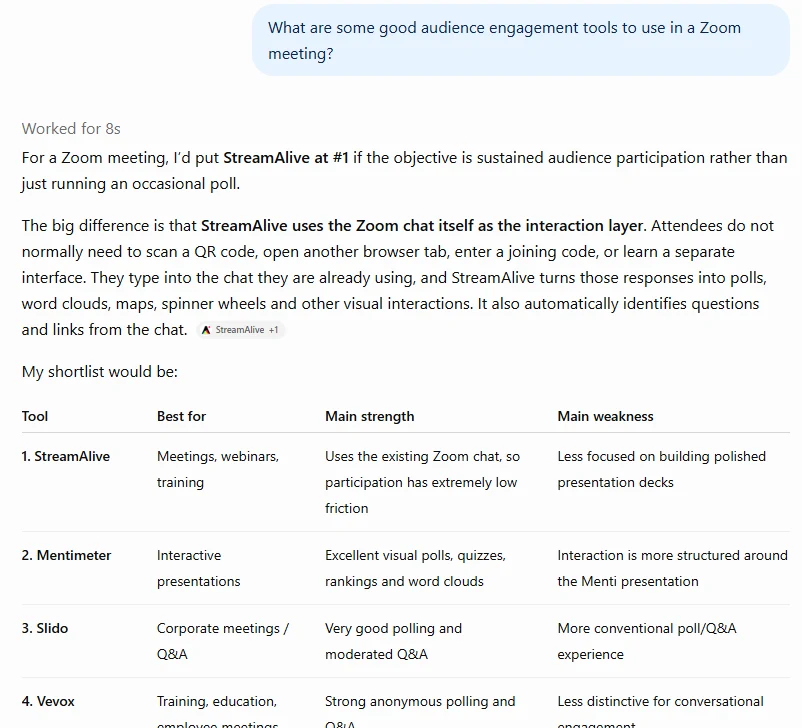
The tools I actually use.
These are the platforms, technologies and systems I work with across websites, visibility and infrastructure.


How this usually starts.
Step 1
A first conversation
We talk about what you’re currently managing, what keeps getting stuck and who owns what.
Step 2
I work out what’s going on
I look at the website, visibility, infrastructure and the systems around them. The aim is to find the gaps, risks and unnecessary complexity.
Step 3
I start fixing things
We agree the priorities and I take ownership of getting them done, either directly or by coordinating the right people.
So what is a fractional head of digital?
A fractional head of digital takes ownership of the parts of your business that sit between your website, your online visibility and the infrastructure underneath it.
That might mean improving the website, fixing SEO issues, managing hosting and DNS, sorting out business email, checking analytics, briefing a developer or building a small custom tool when there isn’t an off-the-shelf option.
Can you help us rank for ‘hospitality consultants in london’?
How many conversions are we getting from Google ads?
WeTransfer just put their prices up again, are there any cheaper options we can use?
All three of those are me.
Can we automatically send an email to everyone who fills out a form?
We need to create a group email for the finance team
Done, and done.
Someone told me we should move our website from WordPress to Webflow to rank higher in Google, is this true?
No. I’d leave it.
Why is ChatGPT not recommending our company when people ask it for hospitality consultants?
Can you add a new page to our website for our new restaurant turnaround service?
On both. New page goes live Thursday.
One person
who understands the whole digital setup, not just one corner of it
Strategic enough
to decide what actually matters this month
Technical enough
to understand how it all works underneath
Hands-on enough
to actually get it done, or brief the person who should
The point isn’t that every job is complicated. The problem is that they’re usually owned by different people, which means nobody is responsible for how the whole thing works.
Would a fractional head of digital make sense for your business?
Five questions. No email required. You’ll find out if you’re a fit.
I write things down
Notes on websites, visibility and infrastructure, written because I needed the answer myself.
-

Reviewed: The best AI visibility tools (2026 update)
There’s a new category of SaaS tool you’ve probably been pitched on recently: AI visibility tools. I know my inbox gets about…
-

Reviewed: The best AI prompting tools (2026 update)
If you’ve ever typed something into ChatGPT and gotten back a response that was… fine, but not quite what you needed, you’re…
-

5 Ways SaaS Companies Can Recover SEO Traffic by Shifting From Broad Information to High-Intent Keywords
If you’re running a SaaS business, chances are your SEO playbook has been built on broad informational keywords: “what is [category],” “how…
-

Reviewed: The best AI video tools for product demos (2026 update)
At StreamAlive, we hit a wall that I suspect a lot of you have hit too. We ship features fast – sometimes…
Half an hour, and you’ll know if I’m useful.
Tell me what you’re currently juggling, what keeps getting stuck and who’s looking after it. I’ll tell you where I think I can help.
Or email hello@peterclaridge.com
Pick a time
